Table 1HomeSeat 2 / 11
The Rise of Modern Chandeliers
Modern chandeliers explained: popular styles, sizing rules of thumb, light quality, dimmers and installation tips for dining rooms and living spaces.
- Posted
- Revised
- Length
- 2 minute read
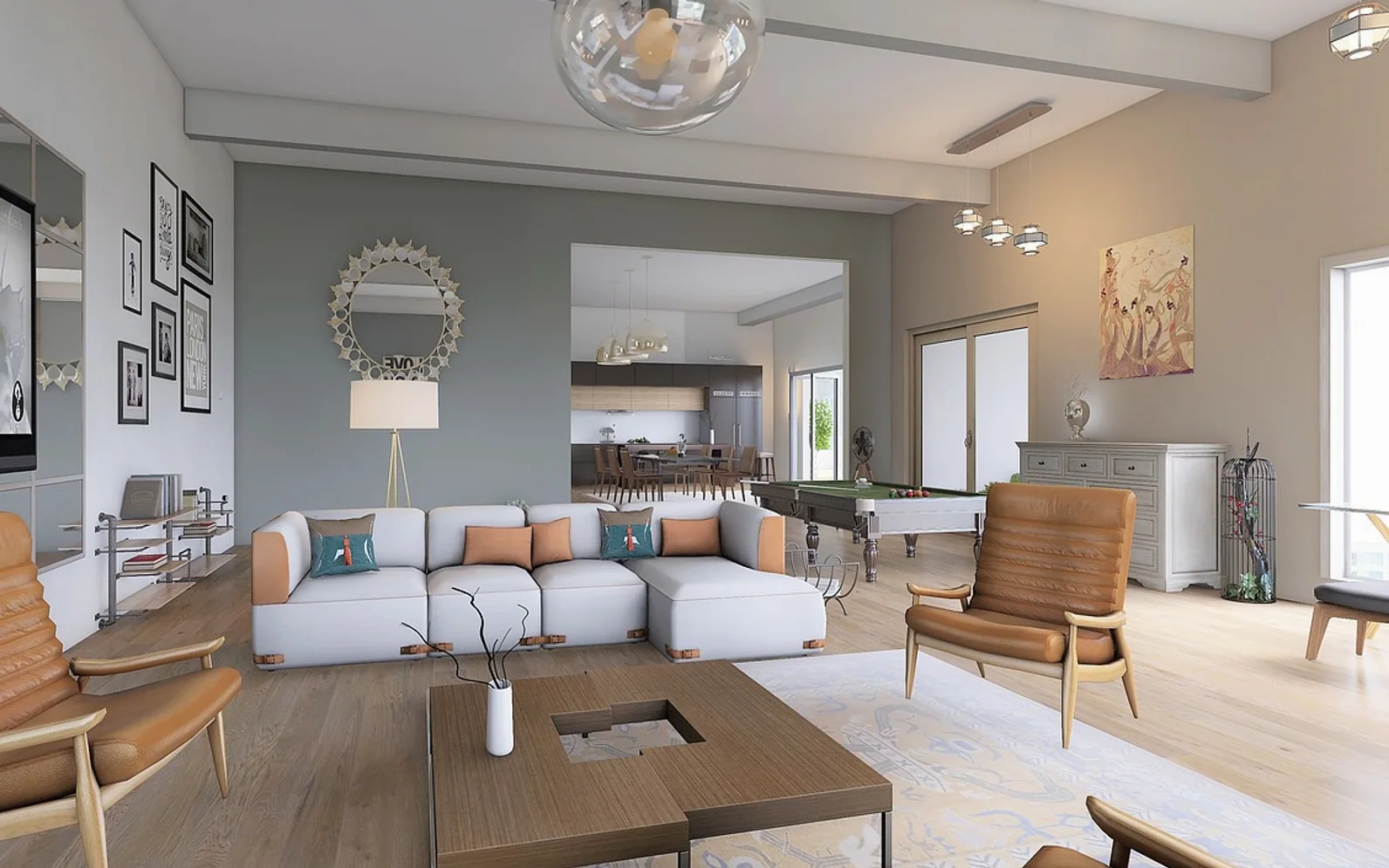
A chandelier used to announce wealth: crystal tiers in a grand hallway, candles reflected in gilded mirrors. The modern version announces something closer to personality. It might be a cluster of smoked-glass globes over a dining table, a ring of soft LED light in a living room or a sculptural brass piece in a stairwell. The appeal has spread from mansions to ordinary homes, and it is easy to see why.
From ornament to sculpture
Contemporary designs strip back the layers of crystal and focus on shape, material and the quality of light. Clean lines, geometric frames and organic forms replace swags and droplets. Metal, blown glass, wood, fabric and even recycled materials appear in ranges such as the modern chandeliers at Seus Lighting, which show how a single fixture can anchor a room's style while still feeling light and uncluttered.
Popular directions
- Geometric: spheres, cubes and polygons that suit minimalist and industrial interiors.
- Linear: long horizontal fixtures, ideal over rectangular dining tables and kitchen islands.
- Ring and halo: one or several illuminated circles giving soft, even light.
- Cluster: groups of globes or pendants at different heights for a playful, layered look.
- Organic: branch shapes, leaf motifs or rattan that bring warmth to calm spaces.
Getting size and height right
A common designer rule of thumb is to add a room's length and width in feet and use that number, in inches, as a guide to the fixture's diameter. Over a dining table, many people choose a piece roughly half to two-thirds the width of the table and hang it with comfortable clearance above the surface. In double-height spaces the fixture can be larger and hang lower than in a standard room. These are guidelines rather than laws; a quick mock-up with cardboard or a paper template helps judge scale before buying.
Light quality and technology
LED technology made many of today's slim designs possible, because tiny light sources fit where bulbs never could. Pay attention to colour temperature: warm white suits living and dining areas, while a slightly cooler tone works in kitchens. Dimmers are close to essential, letting one fixture serve both a bright family breakfast and a relaxed dinner. Smart controls add schedules and scenes for those who enjoy them.
Installation and care
Heavier fixtures need a ceiling box rated for the weight, and the electrical connection is a job for a licensed electrician. Dust glass and metal regularly with a soft cloth, and switch off the power before any deeper cleaning. Chosen and placed well, a modern chandelier becomes the piece guests remember and the light that makes everyday rooms feel finished.
Hand-picked reads
 FoodsAcross the Table: Pairing Champagne With Everyday Food and Special Menus2 minute read
 EventsInfusing Cultural Elements into Your Engagement Ceremony Invitations2 minute read
 EventsA Wedding Photo Booth That Adds Joy, Not Stress: Practical Guidance For Couples2 minute read
 TechWhy Swiss Viewers Are Embracing the Flexibility of IPTV2 minute read