
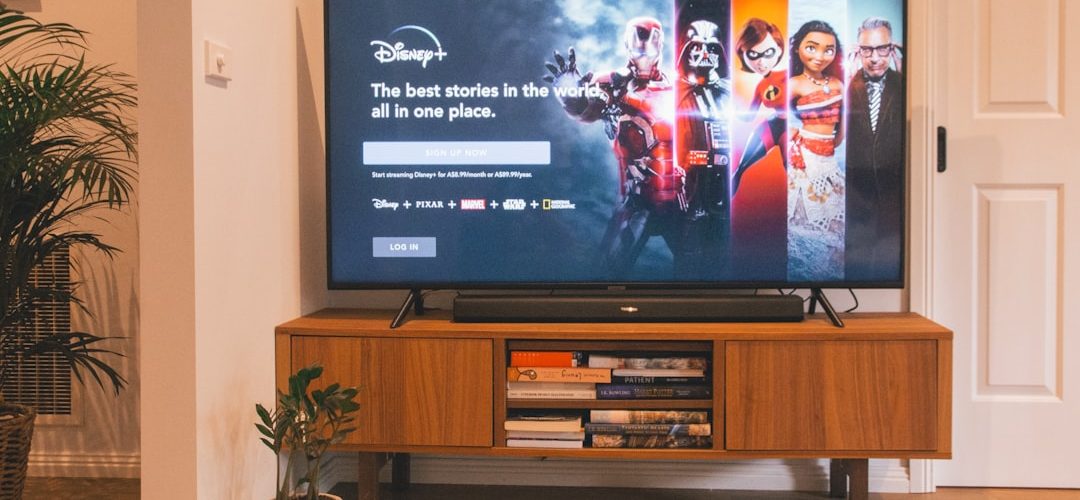
Across Belgium, the way people watch television is changing quickly. Traditional cable and satellite packages still have a place, but more households are moving toward IPTV because it fits modern viewing habits far better. Belgian viewers now expect flexibility, multilingual content, and easy access across different devices, not just a fixed box in the living room. As internet quality improves and streaming becomes part of everyday life, IPTV is increasingly seen as a practical upgrade rather than a niche alternative. For many families, it offers a more convenient, more personal, and often more cost-effective way to enjoy entertainment.
Flexibility That Matches Modern Lifestyles
One of the biggest reasons IPTV is gaining ground in Belgium is simple: people no longer want to be tied to a rigid TV schedule. Traditional television was built around fixed programming times and one main screen in the home. IPTV changes that by delivering content over the internet, which allows viewers to watch much more freely and on their own terms.
In a country where busy work schedules, commuting, and family routines often vary from day to day, that flexibility matters. Viewers can start a program on one device and continue on another, or choose to watch live channels, catch-up content, and on-demand shows from the same service. That level of convenience is hard for older TV models to match.
- Watch on multiple devices: smart TVs, tablets, smartphones, and laptops.
- Access content when convenient: live TV is no longer the only option.
- Enjoy a more personalised experience: users can focus on the channels and content they actually want.
For Belgian households with different viewing preferences under one roof, IPTV also reduces the usual arguments over what to watch and where to watch it. It supports the more mobile, connected lifestyle that many people now consider normal.
Better Value and Broader Content Selection
Cost is another important factor. Many consumers in Belgium are re-evaluating their monthly subscriptions and looking closely at what they truly use. Traditional TV bundles can include long channel lists, equipment fees, and package structures that do not always reflect how people actually watch content. IPTV often appeals because it can offer a broader range of channels and features in a format that feels more efficient.
That is especially relevant in Belgium, where audiences are diverse and often interested in local, regional, and international programming. A French-speaking viewer, a Dutch-speaking family, or an expat household may all be looking for different combinations of channels. IPTV services are often better positioned to meet those varied expectations.
For viewers comparing packages, a reliable IPTV Belgie abonnement can make it easier to access local and international channels through a single internet-based service rather than juggling multiple add-ons.
Beyond price alone, viewers often see better overall value in the combination of features IPTV can include:
- Large channel variety: access to Belgian, European, and international content.
- On-demand libraries: more choice beyond the live TV grid.
- Fewer hardware limitations: less dependence on traditional decoders and fixed installations.
- Scalable plans: users can often choose a service that better matches their needs.
When people feel they are paying for actual usage rather than a legacy bundle, IPTV becomes an attractive option.
Multilingual Viewing Suits the Belgian Market
Belgium has a uniquely multilingual media environment, and this is where IPTV has a natural advantage. Traditional TV providers may offer language-specific packages, but IPTV is often more adaptable for audiences who want content across Dutch, French, English, and sometimes German-speaking markets.
Many Belgian viewers do not limit themselves to one type of programming. They may watch local news, international sports, French entertainment, Dutch channels, and English-language series all in the same week. IPTV supports this broader media behavior by bringing diverse content together in one place.
This matters not only for convenience but also for relevance. Households increasingly expect a service that reflects their actual interests and identity. In Belgium, those interests are often shaped by language, region, family background, and international connections. IPTV makes it easier to build a viewing experience around that reality.
It also supports younger viewers especially well. Many younger Belgians are already used to streaming platforms and digital-first media. For them, traditional TV can feel limited or outdated, while IPTV feels familiar, searchable, and aligned with how they already consume entertainment. In that sense, IPTV is not just replacing old television habits; it is becoming the natural bridge between live television and streaming culture.
Technology and User Experience Are Driving Adoption
Another major reason for IPTV growth in Belgium is the steady improvement in internet infrastructure and connected home technology. As broadband speeds become more reliable and smart TVs more common, IPTV becomes easier to install and smoother to use. What once felt technical or unfamiliar now feels straightforward for many households.
The user experience also plays a major role. Modern viewers expect intuitive menus, fast navigation, clear search options, and responsive interfaces. IPTV platforms often deliver a more contemporary experience than traditional TV systems, which can feel slower and less adaptable. That difference matters because convenience is no longer a bonus; it is part of the core value of the service.
There is also a practical side to this trend. People want entertainment systems that fit around their lives without unnecessary complexity. IPTV often requires less commitment to fixed hardware and can be easier to manage across several rooms or devices. For many Belgian users, that simplicity is a strong selling point.
- Internet access has improved enough to support stable high-quality streaming in many homes.
- Smart devices are now standard in households, making IPTV easier to adopt.
- User expectations have changed toward on-demand, mobile-friendly, and intuitive services.
As technology continues to improve, IPTV is likely to become even more appealing to mainstream viewers.
In the end, more Belgians are choosing IPTV over traditional TV because it better reflects how people live and watch today. It offers flexibility, broader content choice, multilingual relevance, and a more modern user experience. Traditional television still serves some audiences well, but IPTV increasingly answers the needs of households that want more control and better value from their entertainment. As digital habits continue to evolve in Belgium, IPTV is not just a trend. It is becoming a preferred way to watch TV.

