Table 5TravelSeat 1 / 5
Witness the Great Migration: Luxury Safaris in Tanzania to See the Big Five and Beyond
Plan a luxury Tanzania safari around the Great Migration: how the herds move, where to see the Big Five, what luxury means in camp and travel tips.
- Posted
- Length
- 2 minute read
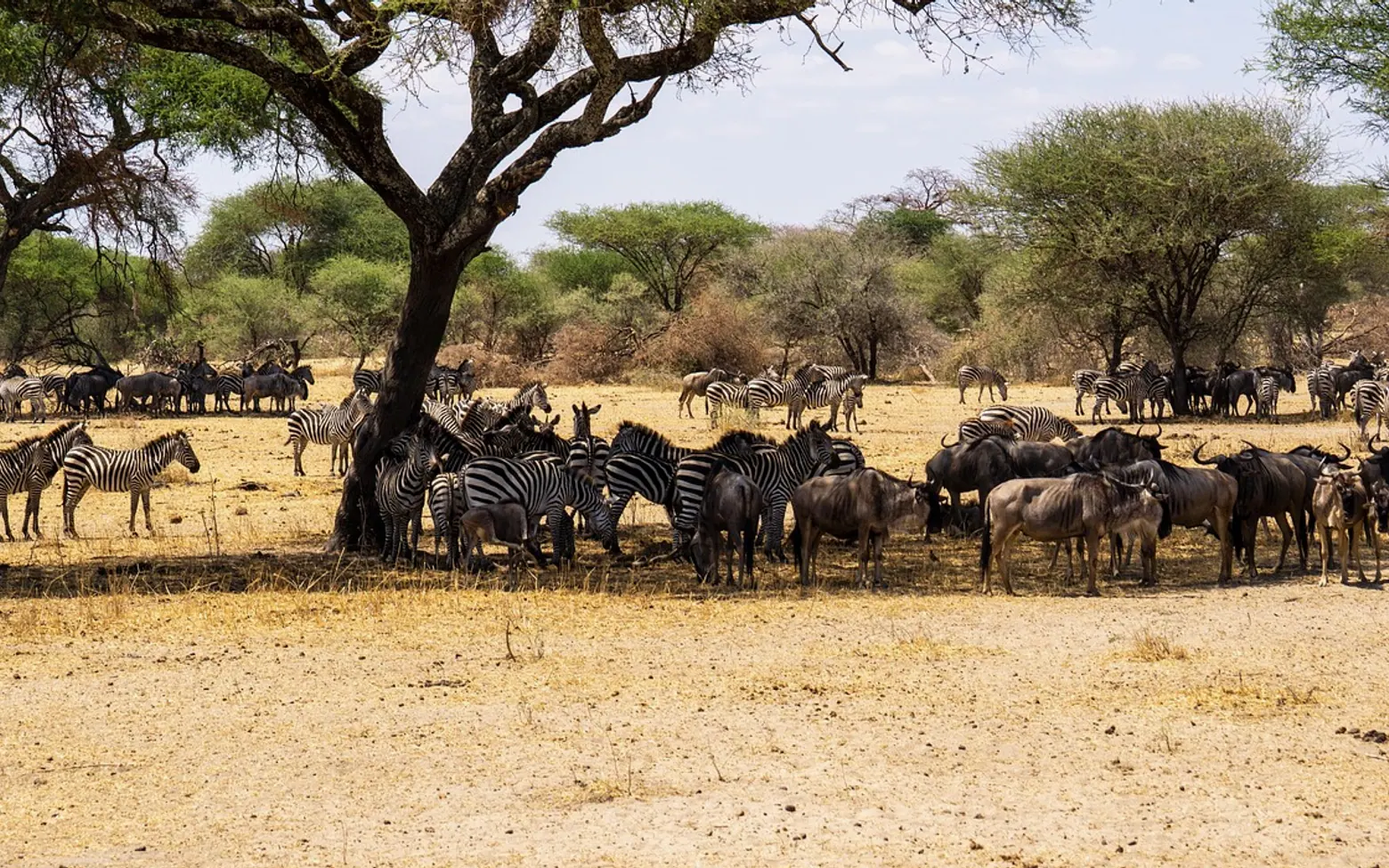
Few sights match the moment a line of wildebeest stretches to the horizon, dust lifting in the late-afternoon light while zebras weave among them. The Great Migration is the centrepiece of many Tanzania itineraries, but the country offers far more than a single spectacle. A well-planned luxury safari combines that movement of herds with the Big Five, quiet landscapes and the comfort of camps that feel like a private home in the wild.
Following the herds through the year
The migration is a continuous loop rather than a single event. The herds move through the Serengeti ecosystem in search of fresh grazing, guided by rainfall, so their position shifts with the seasons. Calving takes place on the southern plains earlier in the year, while the dramatic river crossings happen further north later on. Because rains vary, experienced operators track conditions and place guests in camps close to where the herds are expected to be.
Where to go for the Big Five and beyond
| Area | Known for |
|---|---|
| Serengeti | The migration, big cats and vast open plains |
| Ngorongoro Crater | Dense wildlife inside a volcanic caldera, including rhino |
| Tarangire | Large elephant herds and baobab-studded scenery |
| Lake Manyara | Forest, flamingos and varied birdlife |
What luxury means on safari
Comfort in the bush looks different from comfort in a city hotel. It means a spacious tent with a proper bed and an en-suite bathroom, meals cooked fresh and served under the stars, small guest numbers and guides who know the land intimately. Choosing a luxury safari Tanzania itinerary also tends to bring private vehicles, flexible timing for game drives and light-aircraft hops between parks that save long road transfers, leaving more hours for watching wildlife. Many camps also cap the number of vehicles at a sighting, so a leopard in a sausage tree can be enjoyed without a crowd of engines around it.
Experiences worth adding
- A hot-air balloon flight over the Serengeti at sunrise.
- Guided walks with rangers, where permitted, to read tracks and learn about plants.
- Visits to local communities, planned with respect for their customs.
- A few days on the coast or Zanzibar to rest after the bush.
Travelling well
Pack neutral-coloured layers for chilly mornings and warm afternoons, a good pair of binoculars and a camera with a zoom lens. Book an appointment with a GP or travel health clinic some weeks ahead to talk through jabs and malaria protection. Camps that support conservation and employ local staff help ensure that wildlife and communities continue to thrive. Leave some slack in the itinerary as well: a quiet afternoon at camp, watching elephants drift past a waterhole, is often as memorable as the busiest game drive. Planned with care, a Tanzanian safari becomes a string of moments that stay vivid for years.
Hand-picked reads
 FoodsAcross the Table: Pairing Champagne With Everyday Food and Special Menus2 minute read
 EventsInfusing Cultural Elements into Your Engagement Ceremony Invitations2 minute read
 EventsA Wedding Photo Booth That Adds Joy, Not Stress: Practical Guidance For Couples2 minute read
 TechWhy Swiss Viewers Are Embracing the Flexibility of IPTV2 minute read