Table 4FoodsSeat 4 / 8
How to Host a Dinner Party Without the Stress
Host a dinner party and still enjoy it: a calm guide to guest numbers, a make-ahead menu, a countdown plan, setting the table, drinks and keeping talk flowing.
- Posted
- Length
- 4 minute read
The best dinner parties are rarely the most elaborate ones. What guests remember is a relaxed host, a full table and conversation that runs late. The food matters, of course, but it matters less than you think. Hosting without stress is mostly about doing more in advance and less at the last minute, so that when the doorbell rings you are ready to enjoy the evening too.
Keep the guest list manageable
Start by deciding how many people you can comfortably seat and cook for. If you are new to hosting, six people including yourself is a friendly size: big enough for lively talk, small enough for one table and one oven. Think about the mix as well. A couple of guests who already know each other help the evening warm up, and someone outgoing can carry a quieter corner of the table.
When you invite people, ask about allergies, dietary needs and strong dislikes. It is far easier to plan around this now than to improvise at the table.
Choose a menu that forgives you
The single biggest decision is the menu. Pick dishes that can be made mostly ahead, that do not need precise last-minute timing and that hold well if guests arrive late.
| Course | Low-stress ideas | Why they work |
|---|---|---|
| Nibbles | Olives, nuts, a dip with crackers or vegetables | Bought or made the day before, nothing to cook |
| Starter | A cold soup, a simple salad, a platter to share | Ready before guests arrive |
| Main | A slow-cooked stew, a tray bake, a baked pasta dish | Waits happily in a low oven |
| Side | Roasted vegetables, a grain salad, good bread | Can be served warm or at room temperature |
| Dessert | A tart, a fruit crumble, chilled puddings in glasses | Made a day ahead, served straight from the fridge |
Cook only one dish you have never made before, and test it on a quiet evening first. Familiar recipes are your safety net.
Work back from the time you want to eat
A written countdown takes the panic out of the day. Write the time you want to sit down, then work backwards.
- Two or three days before: shop for everything that keeps, check you have enough plates, glasses and chairs.
- The day before: make dessert, prepare sauces and dressings, chop vegetables and store them covered in the fridge.
- The morning: set the table, chill the drinks, tidy the rooms guests will use.
- Two hours before: start the main course, put the starter together, empty the dishwasher.
- Thirty minutes before: change, light candles, put music on and set out the nibbles.
Set the table early
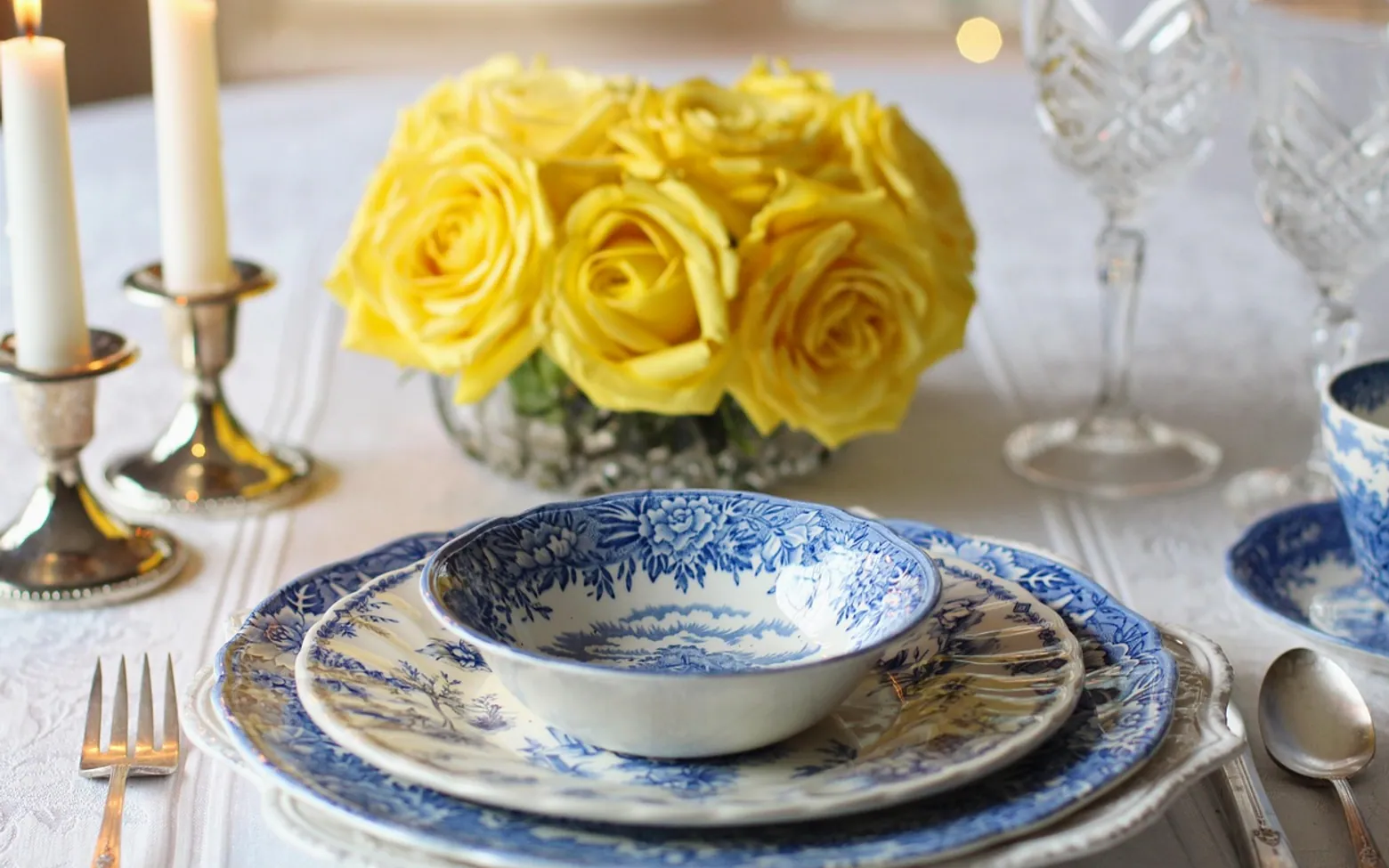
A set table tells you, and your guests, that you are ready. It does not need to be fancy. A clean cloth or runner, a jug of water, napkins, and a few low flowers or candles that people can see over are plenty. If you do not have matching plates, mix them on purpose; it looks relaxed rather than careless. Place cards can help if you want to separate couples or seat certain people together, but they are entirely optional.
Plan drinks that look after themselves
Drinks are where hosts lose the most time, running back and forth to refill glasses. Set up a small drinks station guests can visit themselves: a bucket of ice, a couple of bottles open, sparkling water and something interesting without alcohol. For ideas on what to pour with different dishes, see our guide to pairing champagne with everyday food and special menus. After dinner, a jug of homemade cold brew over ice is a lovely alternative to a coffee machine, and our cold brew guide shows how to make it the day before.
During the evening
Accept help
When a guest offers to help, give them a small, specific job: pouring water, carrying plates, slicing bread. People like to feel useful, and it keeps you at the table longer.
Keep the conversation moving
Introduce guests with a detail that gives them something to talk about: a shared hobby, a recent trip, a book. If the talk dips, ask an open question that anyone can answer, such as the best meal they had this year.
Do not apologise for the food
If something is a little overcooked, carry on. Most guests will not notice unless you point it out, and apologies make everyone uneasy.
After the last guest leaves
Put leftovers in the fridge promptly, then leave the rest. Stacking plates and soaking pans can wait until morning. Before you go to bed, note what worked and what you would change. Next time you will be faster and even calmer, and hosting will start to feel less like a project and more like what it should be: a good evening with people you like.
Hand-picked reads
 FoodsAcross the Table: Pairing Champagne With Everyday Food and Special Menus2 minute read
 EventsInfusing Cultural Elements into Your Engagement Ceremony Invitations2 minute read
 EventsA Wedding Photo Booth That Adds Joy, Not Stress: Practical Guidance For Couples2 minute read
 TechWhy Swiss Viewers Are Embracing the Flexibility of IPTV2 minute read