Table 1HomeSeat 14 / 14
Layered Lighting: How to Light a Room in Three Layers
What layered lighting means, how ambient, task and accent light work together, and how to plan the layers for a living room, kitchen, dining area or bedroom.
- Posted
- Length
- 4 minute read
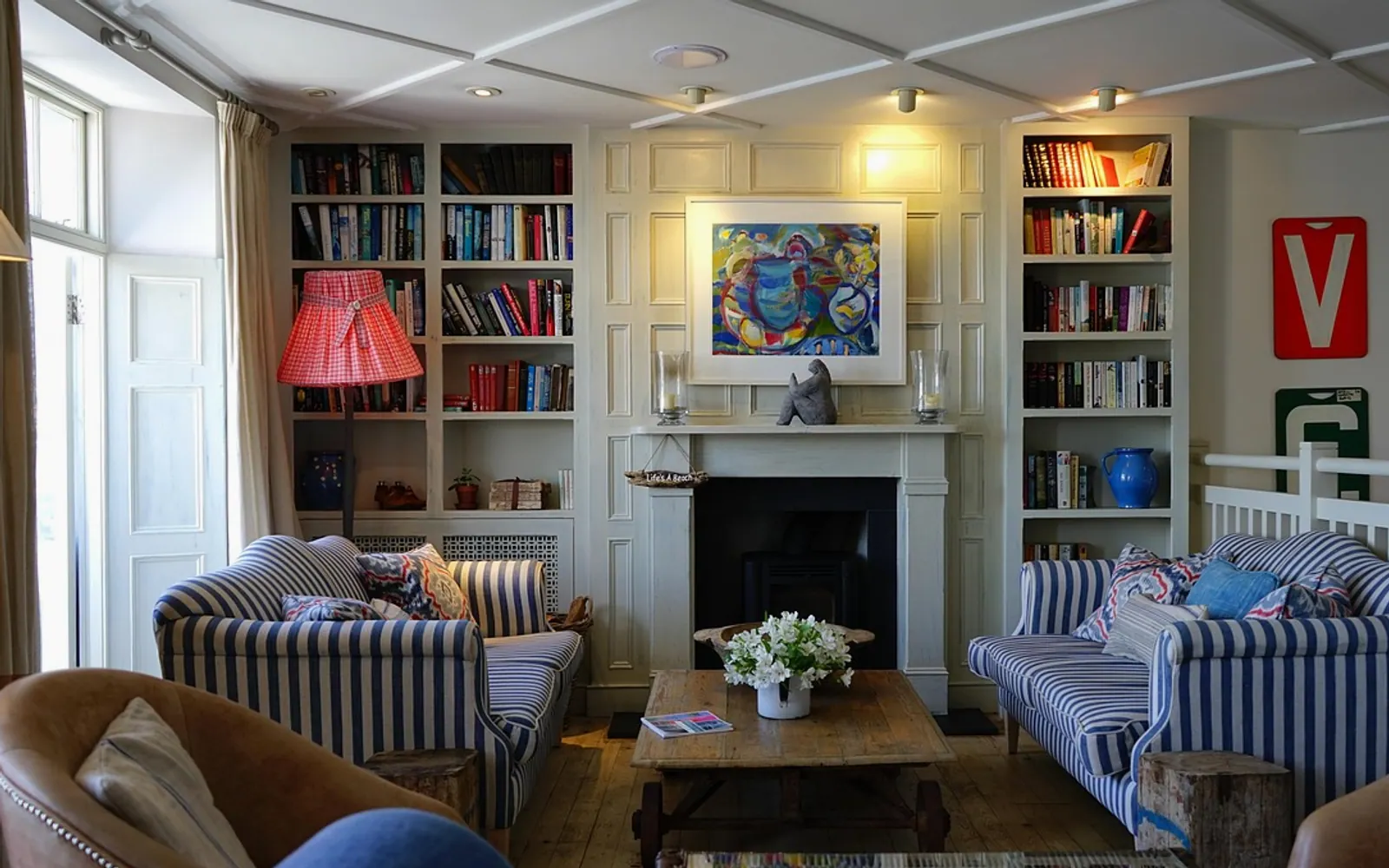
Picture a living room at eight in the evening, lit by a single fitting in the middle of the ceiling. Everything is evenly bright, faces look tired, the corners feel bare, and the person reading on the sofa still squints at the page. Turn that light off and switch on a floor lamp, a reading light and a small lamp on a shelf, and the same room suddenly looks warmer and larger. That difference is what designers call layered lighting.
What layered lighting means
Layered lighting is the practice of using several light sources at different heights, each with its own job, instead of relying on one fixture. Most guides talk about three layers:
- Ambient light is the general glow that lets you move around safely. Ceiling fittings, pendants, chandeliers and wall washers usually do this job.
- Task light is focused, brighter light where you do something specific: chopping vegetables, reading, applying make-up, working at a desk.
- Accent light draws the eye to something: a picture, a bookshelf, a textured wall or a plant. It adds depth more than brightness.
Some people add a fourth, decorative layer for fixtures that are mostly there to be looked at, such as a sculptural pendant or a string of lights. In practice one fitting often plays two roles. A low pendant over a dining table gives task light on the plates and decorative interest at the same time.
How the layers work together
The point is not to have more lamps but to have choices. Each layer on its own circuit or switch means you can mix them for the moment: everything up for cleaning, ambient and task for cooking, just accent and a lamp or two for a film. Dimmers make the system far more flexible, because the same ceiling light can be a bright working light at breakfast and a soft background glow at dinner.
Light at several heights matters too. A room lit only from above casts shadows under eyes and leaves the lower half of the walls dull. Adding table and floor lamps at seated eye level fills those shadows and makes the space feel more comfortable.
Planning the layers room by room
| Room | Ambient | Task | Accent |
|---|---|---|---|
| Living room | Dimmable ceiling light or wall lights | Floor or table lamp beside each reading seat | Shelf lights, picture lights, a lamp in a dark corner |
| Kitchen | Ceiling spots or a track | Under-cabinet strips over the worktops | Lights inside glass cabinets or above wall units |
| Dining area | Wall lights or a dimmed ceiling light | Pendant or chandelier over the table | Candles, a lit sideboard |
| Bedroom | Soft ceiling or wall light | Bedside lamps or wall-mounted readers | Low light inside a wardrobe or along a headboard |
| Hallway | Ceiling or wall lights | Light near the mirror and key hooks | Low-level step or skirting lights at night |
Choosing fixtures for each layer
Ambient
For the general layer, think about spread rather than intensity. A dimmable pendant, several wall lights or a track with adjustable heads all work. Track systems are especially flexible because the heads can be turned towards walls for a soft wash or towards a counter for task light; the benefits are explained in this piece on LED track lighting in the home.
Task
Task lights should sit close to the activity and slightly to the side, so your own head or hands do not throw a shadow over the work. Under-cabinet strips in kitchens, an adjustable arm lamp at a desk and a lamp just behind the shoulder of a reading chair are classic examples.
Accent
Accent lighting is where a room gets its character. Small spots angled at artwork, a strip hidden on top of a bookcase or a single lamp placed to graze a brick wall all add depth. Keep accent light noticeably dimmer than task light, or it stops looking deliberate.
Statement pieces
A striking pendant or chandelier can anchor a dining table or stairwell, and with a dimmer it can move between layers. For current shapes and sizing ideas, see the rise of modern chandeliers.
Colour temperature and control
Warm white light, with a lower colour temperature on the bulb packaging, tends to feel relaxing in living rooms, dining areas and bedrooms. Slightly cooler white can help in kitchens, bathrooms and work areas where you want clarity. Mixing very different whites in one room usually looks accidental, so keep each space broadly consistent.
Control is the other half of the plan. Separate switches, dimmers and plug-in lamps on timers all help. Smart bulbs and scenes can switch several layers at once with one tap or a schedule; how lighting fits into a wider connected setup is discussed in IPTV and the rise of smart homes. Any new wiring, wall lights or ceiling fixtures should be installed by a qualified electrician.
Common mistakes
- Relying on one bright ceiling light and hoping a single lamp will fix the evening mood.
- Placing every lamp at the same height, so the room has a bright band and dark corners.
- Putting task light directly behind you, which throws your shadow onto the book or the chopping board.
- Forgetting dimmers, so a beautiful pendant ends up either glaring or switched off.
- Using accent lights so strong that they compete with the rest of the room.
Start small
Layering does not require rewiring. Begin with the room you use most in the evening, add one floor or table lamp at seated height, one task light where you read or work, and one small accent light in the darkest corner. Live with it for a week and adjust. Lighting for a dinner with friends follows the same idea; the tips on hosting a dinner party without the stress include setting the table so the evening feels relaxed rather than staged.
Hand-picked reads
 FoodsAcross the Table: Pairing Champagne With Everyday Food and Special Menus2 minute read
 EventsInfusing Cultural Elements into Your Engagement Ceremony Invitations2 minute read
 EventsA Wedding Photo Booth That Adds Joy, Not Stress: Practical Guidance For Couples2 minute read
 SportsTailgate Food Ideas: Grill, Cooler and Make-Ahead Dishes for Game Day4 minute read