Build Your Own Timepiece: The Creative World of Custom Seiko Mods

//Build Your Own Timepiece: The Creative World of Custom Seiko Mods

For watch enthusiasts, few hobbies combine creativity, mechanical appreciation, and personal style quite like building a custom Seiko-inspired watch. The appeal is easy to understand: instead of settling for an off-the-shelf design, we can shape a timepiece around our own taste, from the dial and hands to the bezel, case, and bracelet. In the creative world of custom Seiko mods, every detail matters, and every choice tells a story. What begins as a simple interest in watches often grows into a hands-on pursuit that blends design thinking with practical craftsmanship. Whether the goal is to create a subtle everyday watch or a bold statement piece, Seiko modding offers an accessible path into truly personalised horology.

Why Custom Seiko Mods Have Captured So Much Attention

Custom Seiko mods have become popular because they sit at the intersection of reliability, affordability, and individuality. Traditional luxury customisation can be expensive and restrictive, but Seiko-based builds are known for using robust platforms and widely available compatible parts. That makes the hobby approachable for first-time builders while still offering nearly endless depth for experienced collectors.

Another reason for the surge in interest is freedom. A standard watch purchase asks us to accept a brand’s design choices. A modded build reverses that relationship. We decide whether the watch should feel rugged, refined, vintage, minimalist, or sport-driven. We can combine a diver-style case with a clean field dial, add polished hands to create contrast, or choose a muted color palette for understated elegance. The result is not just another watch in the box; it is a piece shaped by intention.

There is also a strong sense of community around the hobby. Builders exchange ideas, compare combinations, and discuss the finer points of fit, finishing, and visual balance. For anyone researching the parts, tools, and inspiration behind a seiko mod, the journey quickly reveals a vibrant creative culture where design experimentation is encouraged and personal expression is central.

The Core Components That Define the Look

The beauty of a custom build lies in how small components work together to create a coherent identity. The case is often the foundation. It determines the watch’s wrist presence, overall style, and practical use. A compact case may suit a vintage-inspired build, while a larger angular case can create a more modern and assertive feel. Finishing matters too. Brushed surfaces usually look tool-oriented and durable, while polished elements add a dressier character.

The dial is where personality truly comes alive. Some builders prefer sterile minimalism, while others are drawn to textured surfaces, applied indices, or bold lume layouts. Dial color changes everything. Black offers versatility, blue brings depth, white feels crisp and legible, and green or salmon can introduce a stronger design signature. Hands must then complement the dial rather than compete with it. Mercedes hands, sword hands, dauphine hands, and baton styles each create a different mood.

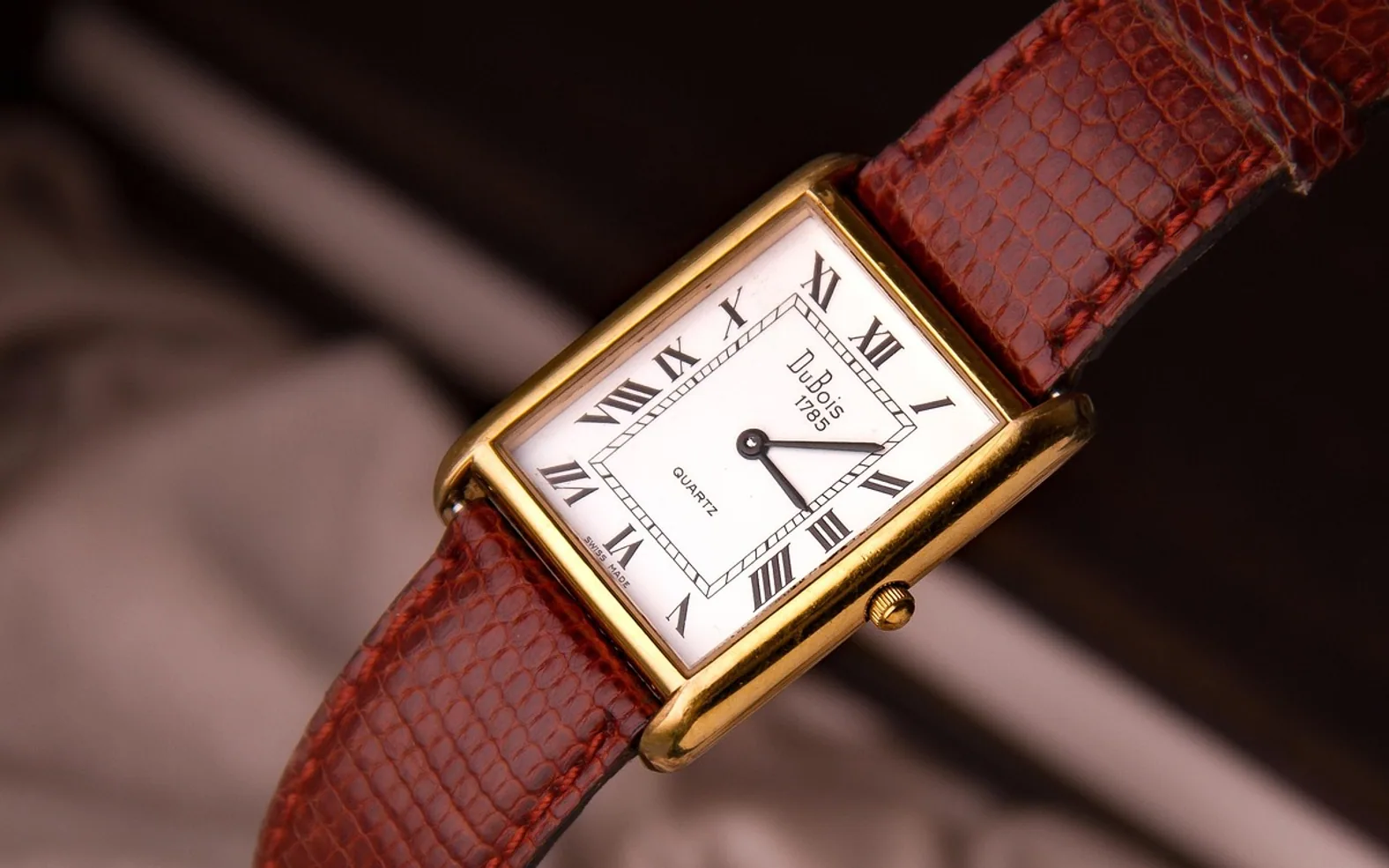
Bezels and inserts also play an outsized role, especially in sport and dive-inspired builds. A ceramic insert can give a premium, contemporary edge, while aluminum may better suit a vintage aesthetic. Coin-edge, smooth, or knurled bezel profiles further affect the watch’s character. Finally, straps and bracelets can transform the final impression. A steel bracelet often makes the build feel integrated and substantial, a rubber strap emphasizes sport functionality, and leather introduces warmth and classic appeal.

When these choices are aligned, a modded watch looks intentional rather than random. That sense of cohesion is what separates a thoughtful build from a collection of interesting parts.

From Idea to Wrist: How the Build Process Works

Building a custom timepiece usually starts with a clear concept. Before ordering parts, it helps to decide what the watch is meant to be. Is it an everyday watch with strong legibility? A vintage diver tribute? A dressy piece with a modern twist? Once the purpose is defined, part selection becomes more focused, and the risk of design clashes drops significantly.

Most builders begin with a compatible movement and case set, then choose a dial and hand combination designed to fit that movement. Precision matters here. Even the most attractive components can become frustrating if they are not dimensionally compatible. This is why careful research is a major part of the process. Case diameter, crystal type, crown placement, chapter ring fit, dial feet alignment, and hand sizes all need to be considered.

The assembly phase requires patience more than speed. Installing hands without bending them, aligning a chapter ring cleanly, and protecting the dial from dust or scratches are tasks that reward a steady approach. For many enthusiasts, this is the moment the hobby becomes especially satisfying. The watch stops being an abstract plan and starts becoming a functional object shaped by our own decisions.

Just as important is testing the finished build. A watch should not only look good in photos; it should wear comfortably, feel balanced on the wrist, and remain easy to read in daily use. A successful mod combines visual appeal with practical performance. That is why experienced builders often refine their first concepts, learning what works in real life as well as on paper.

Design Principles for a Watch That Feels Truly Personal

The most memorable custom watches are not always the loudest. Often, they are the ones with a strong point of view and a disciplined design language. One useful principle is contrast. If a dial is highly detailed, simpler hands may keep the watch legible. If the case is bold and angular, a restrained color palette can prevent visual overload. Balance creates sophistication.

Another key principle is purpose. Tool-watch cues should support tool-watch function. If the build is intended for active wear, prioritising lume, bezel grip, and durable materials makes sense. If the watch is meant for the office or formal settings, thinner profiles, polished accents, and cleaner dials may be better choices. Form and function should reinforce each other.

It also helps to think long term. Trend-driven combinations can be exciting, but the best custom builds usually have enough restraint to remain enjoyable after the novelty fades. A watch that reflects our taste rather than the latest social media preference will often age better. That does not mean playing it safe; it means making bold choices with intention.

  • Choose one focal point, such as the dial texture, bezel color, or handset shape.
  • Limit competing finishes so brushed, polished, and matte surfaces feel deliberate.
  • Prioritise legibility because an attractive watch should still be easy to read.
  • Match the strap to the build’s purpose instead of treating it as an afterthought.
  • Refine over time since many great builds evolve through small improvements.

Ultimately, the creative world of custom Seiko mods is rewarding because it allows enthusiasts to participate in watchmaking at a personal level. It is part design exercise, part technical challenge, and part self-expression. By learning how components interact and by building with a clear vision, we can create a timepiece that feels far more meaningful than a standard retail purchase. A well-executed custom watch does more than tell time; it reflects taste, curiosity, and the satisfaction of making something uniquely our own.