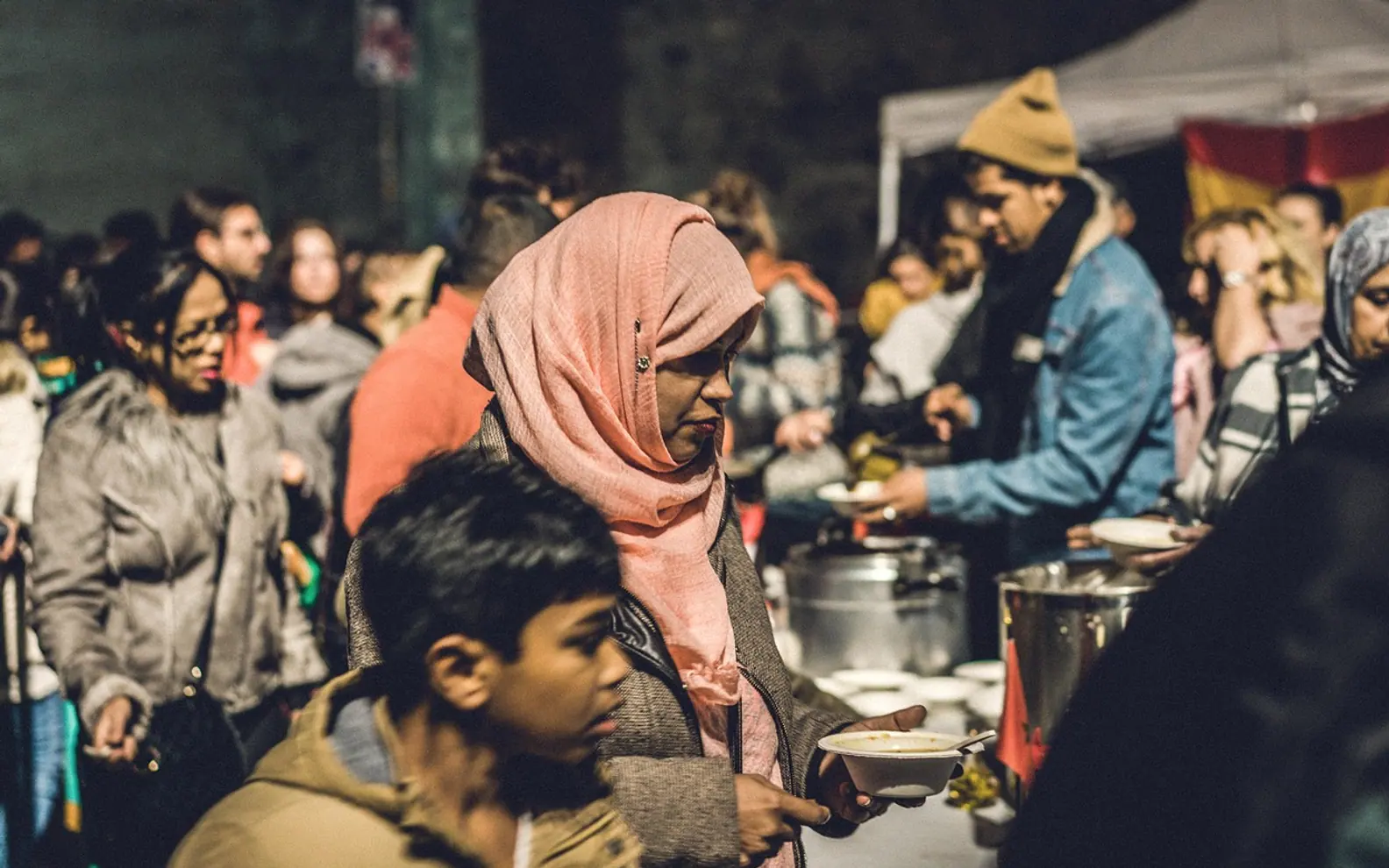
Table 2EventsSeat 13 / 13
Promoting a Community Event on Social Media, From First Post to Thank-You
How to promote a fair, fundraiser, street party or park concert on social media: event page, posting timeline, partners, on-the-day photos and a thank-you.
- Posted
- Length
- 4 minute read
To promote a community event on social media, start with one clear event page that holds every practical detail, then post to a simple timeline in the weeks before, ask volunteers and partner groups to share, capture photos and short videos on the day and close with a thank-you post. That routine works for a school fair, a fundraiser, a street party or a concert in the park, and it keeps the effort manageable for a small team of volunteers.
Build one event page that answers every question
Everything you post later should point back to a single page, whether that is an event listing on a social network, a page on a club website or a pinned post. People will share it, screenshot it and come back to it on the morning of the event, so it needs to be complete.
- What, when and where: the name of the event, the date, start and finish times and a full address with a note on the exact entrance.
- Cost: free entry, a suggested donation or ticket details, and whether stalls take cards or cash only.
- Who it is for: families, all ages, dog-friendly or not.
- Getting there: parking, bike racks, public transport and road closures for a street party.
- Weather plan: what happens if it rains, and where updates will appear.
- Contact: one name or inbox for questions.
Include accessibility details from the start
Accessibility information is often left out, and it is exactly what some people need before they decide to come. Say whether paths are step-free and suitable for wheelchairs and buggies, where accessible toilets are, whether there is seating or a quiet area away from the music, and whether assistance dogs are welcome. If part of the site is on grass or gravel, say so honestly. Add short text descriptions to the images you post and captions to any videos, so the information reaches people using screen readers or watching without sound.
A posting timeline that a volunteer can follow
A rough schedule stops the classic pattern of silence for weeks followed by ten posts the night before. Adjust the timing to the size of the event; a large fair needs a longer lead than a street party.
| When | What to post |
|---|---|
| Six to eight weeks before | Save-the-date with the event page, plus a call for stallholders, performers or volunteers |
| Four weeks before | Introduce what is on: stalls, music, games, food |
| Two to three weeks before | Spotlight posts on individual stallholders, bands or the cause behind a fundraiser |
| Week of the event | Practical reminders: times, parking, what to bring, weather plan |
| Day before | Set-up photos and a short "see you tomorrow" message |
| On the day | Opening photo, a few live clips, any changes to the programme |
| One to three days after | Thank-you post with photos and, for a fundraiser, the outcome if known |
Organisers who run several events a year, or a fundraiser backed by a local sponsor, sometimes hand part of this schedule to an outside provider of Social Media Marketing Promotion, with someone from the committee checking posts so the tone still sounds local. Most small events, though, are handled perfectly well by one or two volunteers with a shared calendar.
Let volunteers and partners spread the word
A community event is rarely promoted by one account alone. Stallholders, the school, the sports club, the band, the charity being supported and the venue all have their own audiences, and a share from them reaches neighbours who would never see the organiser's page. Make sharing easy:
- Send partners a short pack: two or three images in square and upright formats, a ready-written caption and the link to the event page.
- Agree on one hashtag or event name so posts can be found together.
- Tag partners when you spotlight them; they are far more likely to repost something about themselves.
- Ask volunteers to share the event page with local groups they already belong to, rather than creating new ones.
The same habits that keep a family reunion on track, such as a small committee and one clear channel for updates, apply here too.
Photos and short videos on the day
Give one or two volunteers the job of capturing the day so nobody else has to. Short clips of the band starting, the queue at the cake stall or the raffle draw are more engaging than a single wide shot of the field. Post a few during the event to bring in latecomers, and save the rest for afterwards.
Be careful with people's images. Put up a small sign at the entrance saying that photos will be taken and shared, ask parents before posting close-ups of children, and offer a simple way for anyone to request that a picture be removed.
Finish with a thank-you post
The post after the event is one of the most widely seen of the whole campaign, because everyone who came wants to find themselves in the photos. Thank volunteers, stallholders, performers, sponsors and neighbours who put up with the noise, by name or tag where they agree. For a fundraiser, share what the money will support. Keep the full set of pictures for a longer-lasting record, perhaps in a photo album people will actually open, and mention the date of next year's event if it is already set.
How early should a small street party start posting?
Three to four weeks is usually enough for a single street, as long as neighbours also get a printed note through the door.
What if plans change at the last minute?
Update the event page first, then post the change clearly and pin it, so the newest information is the first thing people see.
Handled this way, social media becomes less of a chore and more of a noticeboard the whole community helps to keep up to date.
Hand-picked reads
 FoodsAcross the Table: Pairing Champagne With Everyday Food and Special Menus2 minute read
 EventsInfusing Cultural Elements into Your Engagement Ceremony Invitations2 minute read
 EventsA Wedding Photo Booth That Adds Joy, Not Stress: Practical Guidance For Couples2 minute read
 SportsTailgate Food Ideas: Grill, Cooler and Make-Ahead Dishes for Game Day4 minute read